Peptides in Scientific Research: Key Questions About Quality, Handling, and Responsible Use
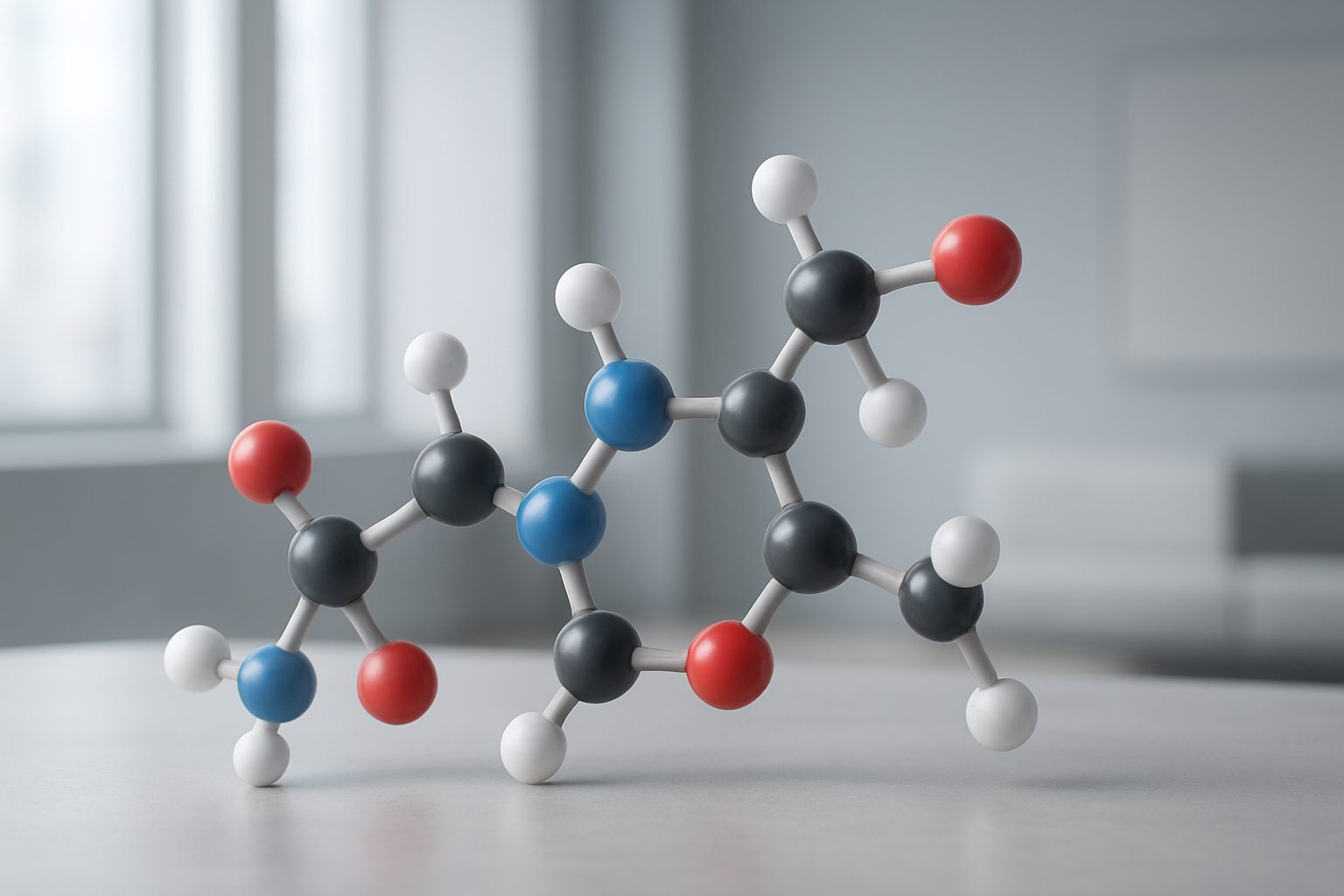
What should researchers know before working with peptide-based materials? Peptides are widely examined in scientific settings because their amino-acid sequences and molecular structures provide useful opportunities for studying biological mechanisms. Their research value, however, depends on more than simply obtaining a material. Proper identification, quality assessment, storage, documentation, and experimental design all contribute to meaningful results. A careful approach also requires researchers to distinguish laboratory investigation from medical application.
Jump To
- What are peptide molecules made from?
- Why is scientific quality control necessary?
- Can storage conditions influence research materials?
- Why should research materials be clearly labeled?
- Are all peptides intended for the same research purpose?
- What should researchers know about personal use?
- How can researchers assess information quality?
- Why does reproducibility matter in peptide research?
- What does the future hold for peptide research?
What are peptide molecules made from?
Peptides consist of amino acids joined together through peptide bonds. Their particular sequence creates distinct molecular characteristics and can influence their shape, stability, and interactions.
The diversity of possible sequences gives researchers many structures to investigate. This makes peptides useful subjects for studies focused on molecular behavior and biological processes.
Why is scientific quality control necessary?
Quality control helps researchers understand whether a sample is consistent with its stated identity and specifications. Reliable research depends on knowing what is actually being examined.
Depending on the material and research environment, scientists may consider analytical documentation, identity testing, purity assessment, and storage history. These factors can support more dependable experimental interpretation.
Can storage conditions influence research materials?
Yes. Environmental conditions may affect the stability of some peptide materials. Exposure to inappropriate temperatures, moisture, light, or repeated environmental changes can potentially alter material quality.
Researchers should therefore follow the specific storage instructions associated with each material. Good laboratory organization also involves clear labeling and minimizing unnecessary handling.
Why should research materials be clearly labeled?
Accurate labeling helps prevent sample confusion. In laboratories handling multiple materials, even a simple identification error can affect experimental results.
Labels and records should provide enough information for researchers to distinguish samples and trace them through the research process. Consistent documentation strengthens laboratory organization and supports reproducibility.
Are all peptides intended for the same research purpose?
No. Peptides differ considerably in structure and properties, so one material should not automatically be treated as interchangeable with another.
Researchers should select materials according to the objectives of their specific investigation. Experimental requirements, analytical characteristics, and applicable laboratory procedures should guide selection.
What should researchers know about personal use?
Research-oriented information should not be interpreted as personal medical advice. A substance investigated in a laboratory does not automatically have an established safety or therapeutic profile for individuals.
Anyone considering a peptide for a health-related purpose should consult a qualified healthcare professional. Medical decisions require appropriate evaluation rather than relying on general research descriptions.
How can researchers assess information quality?
A useful starting point is to examine whether information is specific, transparent, and supported by credible evidence. Researchers should look for clear material descriptions, appropriate documentation, and scientifically relevant information.
Broad claims without supporting evidence should be approached cautiously. Comparing available information with peer-reviewed research and established scientific resources can provide additional context.
Why does reproducibility matter in peptide research?
Reproducibility allows researchers to determine whether observations can be consistently obtained under comparable conditions. Without reproducible procedures, conclusions may be difficult to verify.
Using clearly identified materials, controlled storage, documented methods, and appropriate analytical practices can strengthen the reliability of experimental work.
What does the future hold for peptide research?
Continuing advances in molecular analysis are likely to support more detailed peptide investigations. Researchers are increasingly interested in understanding how molecular structure relates to biological activity and interactions.
The future of the field will depend on rigorous experimentation, transparent reporting, and responsible interpretation of evidence. By maintaining professional research standards, laboratories can contribute meaningful information to the broader scientific understanding of peptide molecules.