
HDPE Recycling – Sustainable Solutions for High-Density Polyethylene Waste
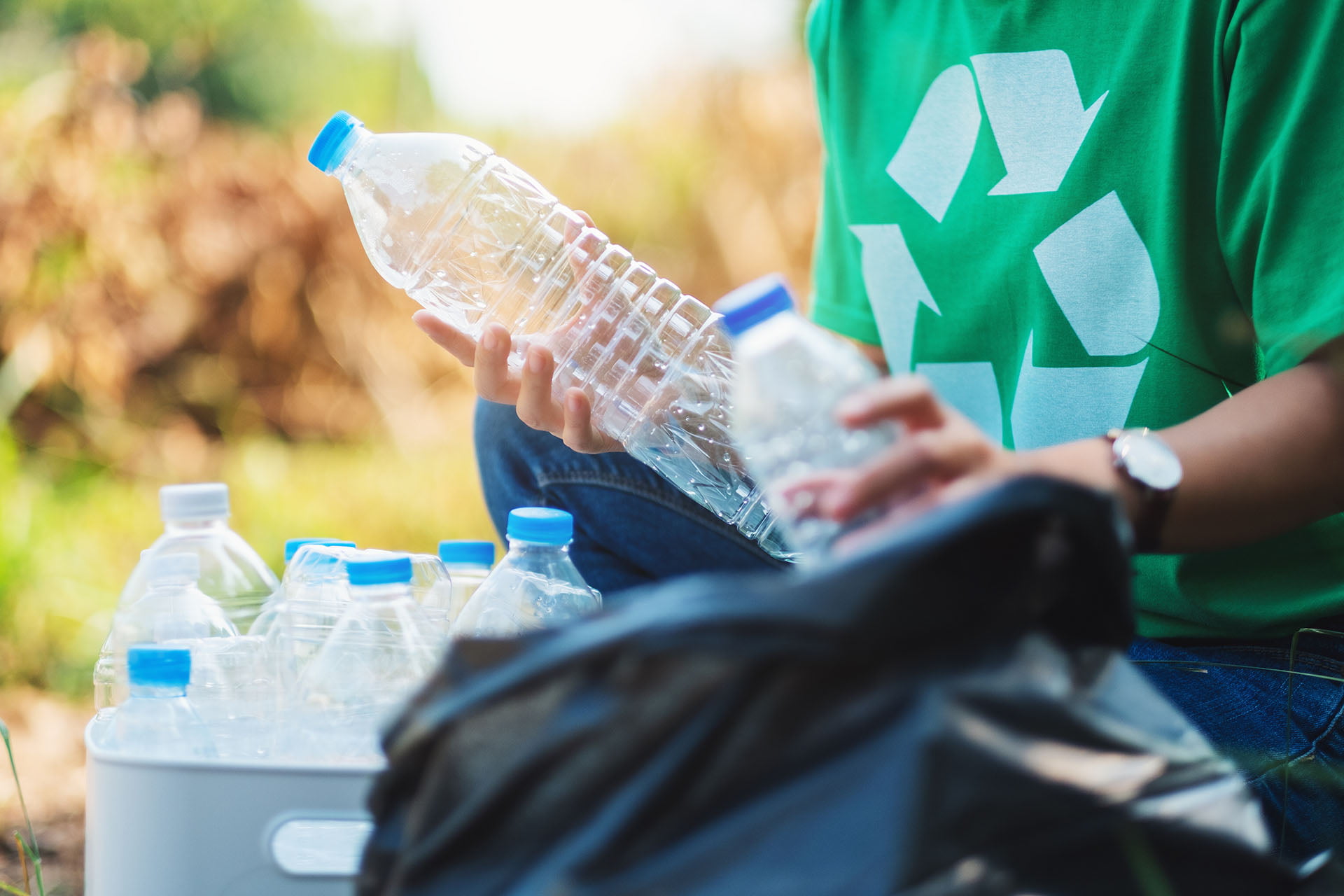
High-Density Polyethylene, commonly known as HDPE, is one of the most widely used types of plastic in the world. It is durable, lightweight, and resistant to chemicals, making it ideal for products like bottles, containers, pipes, and packaging materials. However, its widespread use also results in significant waste, which can have serious environmental consequences if not managed properly. HDPE Recycling has emerged as a sustainable solution to reduce plastic pollution and conserve natural resources.
Importance of Recycling HDPE
Recycling HDPE is crucial for environmental protection and resource conservation. Unlike some plastics, HDPE is highly recyclable, meaning it can be processed and reused multiple times without significant degradation of its quality. By recycling HDPE, we can reduce the amount of plastic waste ending up in landfills and oceans. This not only helps protect wildlife and ecosystems but also lowers greenhouse gas emissions associated with producing new plastic materials.
The HDPE Recycling Process
The recycling process for HDPE involves several steps to ensure that the material is clean, safe, and suitable for reuse. The first step is collection, where HDPE products such as milk jugs, detergent bottles, and packaging are gathered from households, businesses, and recycling centers. Next, the collected HDPE is sorted from other plastics and contaminants to ensure purity.
After sorting, the plastic is cleaned to remove residues, labels, and adhesives. This cleaning step is critical because impurities can affect the quality of the recycled material. The cleaned HDPE is then shredded into small pieces called flakes. These flakes are melted and reprocessed into pellets or sheets that can be used as raw material for new products.
Applications of Recycled HDPE
Recycled HDPE has a wide range of applications across different industries. It can be used to manufacture new bottles, containers, and packaging materials, reducing the need for virgin plastic. In construction, recycled HDPE is used to produce pipes, plastic lumber, and drainage systems. It is also utilized in the automotive industry for components such as bumpers and interior panels. Additionally, recycled HDPE is increasingly being used in furniture, outdoor products, and household items, demonstrating its versatility and sustainability.
Benefits of HDPE Recycling
Recycling HDPE offers numerous environmental and economic benefits. Environmentally, it conserves petroleum resources, reduces landfill waste, and lowers carbon emissions. Economically, recycling creates jobs in collection, sorting, processing, and manufacturing. It also provides a cost-effective source of raw material for manufacturers, helping to reduce production costs while supporting sustainable practices.
Challenges in HDPE Recycling
Despite its advantages, HDPE recycling faces certain challenges. Contamination from other plastics, food residues, or chemicals can affect the quality of recycled material. In addition, collection and sorting infrastructure may not be available in all regions, limiting recycling rates. Public awareness and participation are also essential for effective recycling programs. Educating consumers about proper disposal and encouraging them to separate HDPE products from other waste can significantly improve recycling efficiency.
Future of HDPE Recycling
The future of HDPE recycling looks promising, with technological advancements and increased awareness driving more sustainable practices. Innovations in chemical recycling, which break down HDPE into its original monomers, offer new opportunities for producing high-quality recycled materials. Governments and industries are also implementing policies and initiatives to promote recycling, reduce plastic waste, and create circular economies.
Conclusion
HDPE recycling is a vital solution for managing plastic waste sustainably. By collecting, processing, and reusing high-density polyethylene, we can protect the environment, conserve resources, and support economic growth. From packaging and construction to automotive and household products, recycled HDPE has a wide range of applications that demonstrate its value. Emphasizing proper recycling practices, investing in infrastructure, and raising public awareness will ensure that HDPE continues to play a key role in building a sustainable future.
